
Maximizing Web Speeds: Headless CMS & Core Web Vitals Optimization
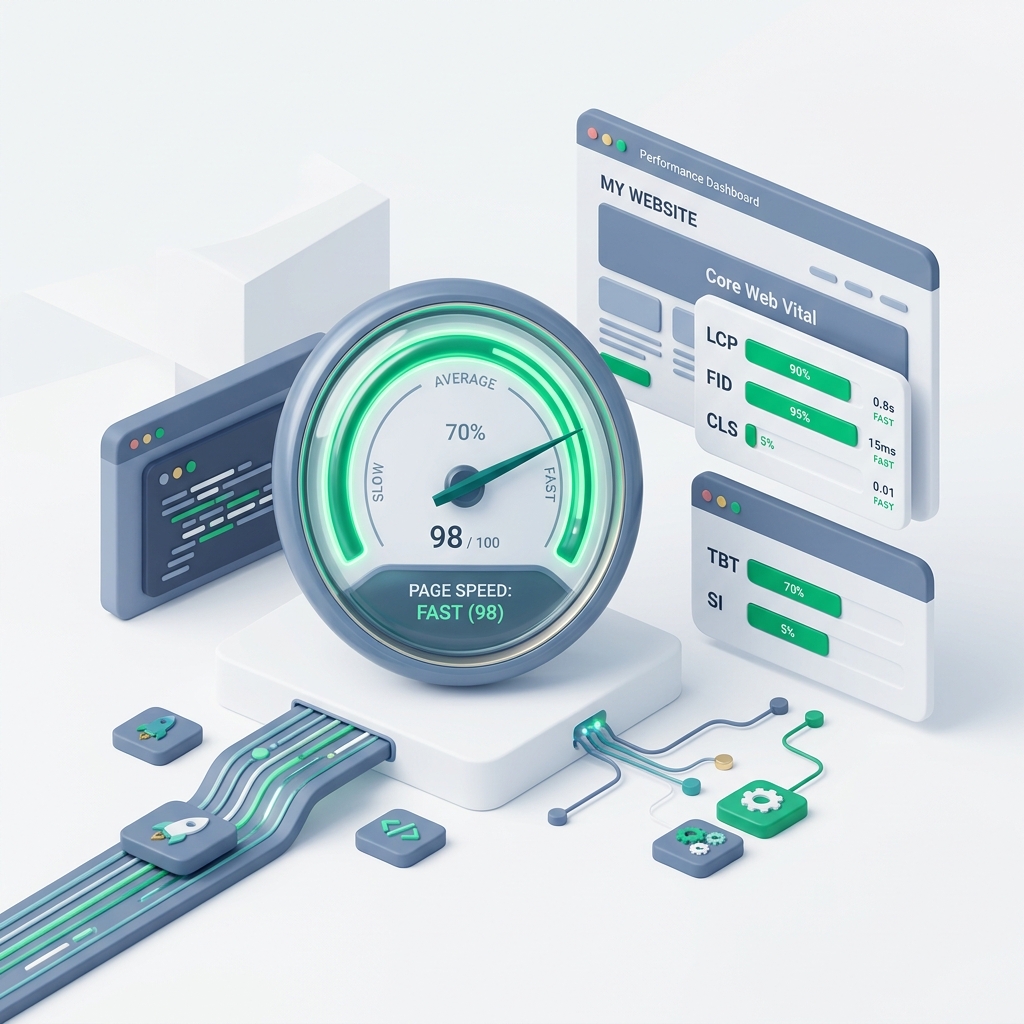
Under modern search guidelines, page speed is a vital ranking component. Traditional CMS installations create heavy overheads that compromise Core Web Vitals performance. Decoupling design layers using Headless CMS infrastructures yields optimal site speeds.
1. Demystifying Core Web Vitals
Google evaluates site design performance using three key metrics: Largest Contentful Paint (LCP), First Input Delay (FID), and Cumulative Layout Shift (CLS). Decreasing non-essential script weights, lazy loading image files, and locking dimension spaces secure better search ranking advantages.
"Site conversion rates drop by 4.42% for every additional second of load time. In modern digital markets, milliseconds correspond directly to revenue."
2. The Headless CMS Architecture
Decouple data storage from layout presentations by combining frameworks like Next.js with headless content systems like Sanity or Strapi. Deploying compiled pre-rendered static files through CDNs drops Time to First Byte (TTFB) records to near-zero marks.
3. Asset Compression & Deferment
Optimizing visuals (converting PNG/JPEG to WebP format) and deferring heavy JavaScript execution ensures browsers render main layout content without execution blocks, resulting in smooth scrolling feedback.