Automating Infrastructure: Terraform, Kubernetes & Zero-Trust DevOps
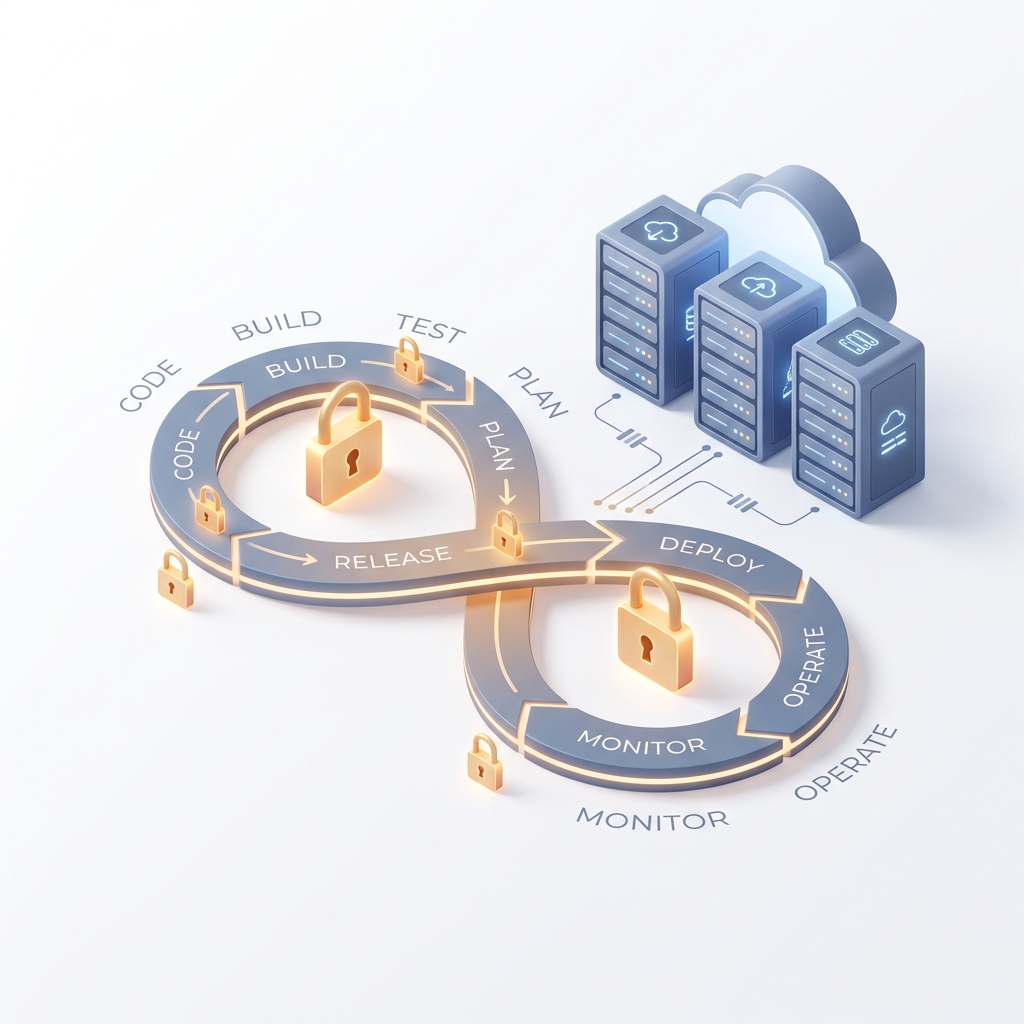
Modern enterprise software deployments rely heavily on automated scalability, infrastructure as code, and Zero-Trust cloud network models. Regulating release pipelines reduces downtime and cost overheads.
1. Infrastructure as Code (IaC) with Terraform
Deploying virtual machines or databases manually is error-prone. Using Terraform configurations permits teams to version control multi-region cloud configurations, guaranteeing identical and repeatable environments for staging and production.
"Manual server setup is a legacy anti-pattern. If infrastructure is not written in code, it is not audit-secure or disaster-ready."
2. Container Orchestration with Kubernetes
Managing container clusters at scale requires Kubernetes. Set up pod replication parameters and CPU/memory thresholds to dynamically autoscale compute power, keeping hosting expenses aligned with live demand levels.
3. Implementing Zero-Trust Network Topologies
Secure pipeline flows by implementing IAM parameters, role-based access guidelines, and automatic vulnerability scanning. Running automated SAST/DAST audits on every release prevents server security lapses.