Beyond the Click: Cookieless PPC and Performance Max
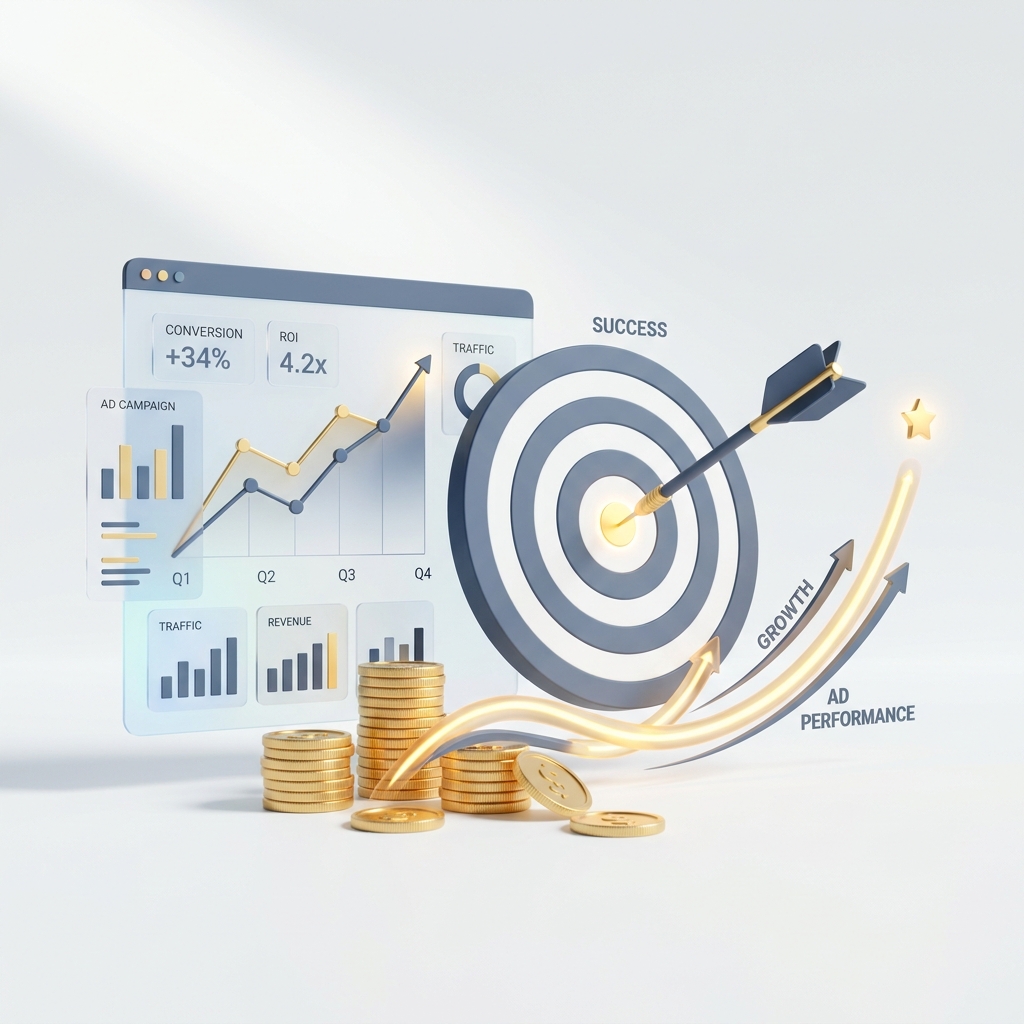
With third-party cookies fading away and browser-level tracking protections (like Apple's App Tracking ATT) tightening, paid media attribution has become highly fragmented. Modern PPC performance relies heavily on predictive algorithms, first-party data capture, and machine-learning feedback loops.
1. Powering Google Performance Max with First-Party Signals
PMax uses deep automation. To make it work, you must feed the machine the right data. By uploading encrypted first-party audience lists (like high-value customers) and configuring GA4 predictive purchase conversion events, the algorithm target engines can identify identical segments much faster.
"In a world without direct device identifiers, first-party data holds the keys to algorithmic optimization. The advertiser with the best clean customer list wins."
2. Implementing Conversions API (CAPI)
Standard browser tags are blocked by up to 30% of desktop and mobile users. Implementing Meta Conversions API and Google CAPI sends events directly from your server to their ad platforms, capturing previously lost conversions and reducing your overall Cost Per Action (CPA).
3. Rapid Creative Testing Frameworks
Under algorithm-driven bidding, your ad creative does the targeting. Set up automated A/B test variations with distinct angles (e.g., pain-point vs. feature-focus) and iterate based on hook rate and outbound CTR data every week.